MBA Colleges Bangalore Offering Industry-Oriented Learning
Traditional classroom learning remains important, but today's management students need more than textbooks and examinations. Businesses expect MBA graduates to understand how organizations operate, analyze real business situations, communicate ideas effectively, work with teams, use technology, and make informed decisions. This is where industry-oriented learning becomes important.
An industry-oriented MBA combines academic concepts with practical experiences such as case studies, internships, live projects, workshops, industry visits, corporate interactions, business simulations, and career-focused training. These experiences help students understand how management principles are applied outside the classroom.
. For students comparing MBA Colleges in Bangalore, industry exposure can therefore be an important factor when evaluating a program. A strong management education should help students connect what they learn in class with the challenges businesses face in the real world.
Silicon City College positions its MBA as an industry-aligned program that goes beyond textbooks through case-study-driven learning, real-time business exposure, hands-on learning, internships, industry visits, and placement-focused training.
This article explores what industry-oriented MBA education means, why it matters, what students should look for when comparing MBA Colleges in Bangalore City, and how practical learning can contribute to career readiness.
Why Industry-Oriented Learning Matters in an MBA
A student may understand the principles of marketing, for example, but working on an actual marketing problem requires additional abilities:
Understanding customer behaviour
Interpreting market information
Developing a strategy
Managing budgets
Working with a team
Presenting recommendations
Measuring results
Industry-oriented learning creates opportunities for students to practise these abilities while they are still studying.
This approach can make the transition from college to the workplace more meaningful because students have already encountered practical business situations.
What Does Industry-Oriented MBA Education Mean?
Case studies
Live projects
Internships
Industry visits
Corporate interactions
Guest lectures
Workshops
Business simulations
Management competitions
Entrepreneurship activities
Practical assignments
Placement preparation
The objective is not to replace classroom education. Instead, practical learning complements academic knowledge.
Students first understand a concept and then get opportunities to examine how that concept works in an organizational setting.
Key Features to Look for in MBA Colleges Bangalore
Case Study-Based Learning
Instead of simply memorizing management theories, students may be asked to evaluate situations involving:
Marketing challenges
Financial decisions
Human resource issues
Operational problems
Competitive pressures
Business expansion
Customer behaviour
Students must analyse the situation, identify the problem, consider alternatives, and justify their recommendations.
This develops critical thinking and decision-making skills.
Silicon City College specifically describes its MBA as using a case-study-driven approach as part of its industry-aligned learning model.
Internships and Industry Exposure
An internship allows students to experience an organization's working environment and observe how business functions operate.
Students can gain exposure to:
Professional communication
Workplace culture
Team collaboration
Business processes
Customer interaction
Reporting
Project management
Organizational decision-making
For students comparing Good MBA Colleges in Bangalore, the availability and quality of internship opportunities should therefore be an important consideration.
Silicon City College highlights internships and industry visits as part of its MBA learning experience.
Why Practical Learning Can Improve Career Readiness
An MBA graduate may be expected to contribute to meetings, analyse information, communicate with colleagues, work on projects, and solve business problems.
Industry-oriented learning gives students opportunities to practise these behaviours before graduation.
Developing Business Communication
Present ideas
Explain reports
Write professional emails
Participate in meetings
Negotiate with clients
Communicate with teams
Present business recommendations
Case studies, presentations, group projects, workshops, and corporate interactions can give students opportunities to practise these skills.
Building Problem-Solving Skills
Students may encounter situations where they need to evaluate incomplete information, consider different perspectives, assess risks, and recommend a practical solution.
This makes problem-solving an important component of industry-oriented management education.
Understanding Workplace Expectations
Industry exposure can help students understand expectations around:
Professional conduct
Deadlines
Accountability
Teamwork
Communication
Performance
Workplace ethics
This familiarity can make the transition into a first professional role easier.
Industry Exposure Across Different MBA Specializations
Students can apply practical learning across different specializations.
| MBA Area | Examples of Industry-Oriented Learning |
|---|---|
|
Marketing |
Campaign analysis, consumer research, brand projects
|
|
Finance |
Financial analysis, business cases, investment research |
|
Human Resources
|
Recruitment projects, employee engagement studies |
|
Business Analytics
|
Data analysis, dashboards, business intelligence |
|
Operations |
Process analysis, supply chain projects
|
|
Healthcare Management
|
Healthcare operations and service management
|
|
Logistics & Supply Chain
|
Distribution, inventory and logistics case studies
|
|
AI in Business
|
AI applications, automation and data-driven decision-making
|
This provides students with the opportunity to build knowledge across complementary areas of management.
Internships and Live Projects: Turning MBA Knowledge Into Experience
An MBA student may learn about marketing strategy, financial management, human resources, operations or business analytics in class. However, working on a real business problem can add another layer of understanding. Students have to interpret information, communicate with others, manage deadlines and think about outcomes.
Internships and Live Projects: Turning MBA Knowledge Into Experience
Silicon City College highlights internships and industry visits as part of its MBA program, alongside placement-focused training and learning from industry experts.
For students comparing MBA Colleges in Bangalore, this kind of exposure can help answer an important question:
“How well can I apply what I learn in the classroom to a real organisation?”
The answer depends on the learning opportunities available through the institution, the student's participation and the quality of practical assignments.
Live Projects and Business Problems
A marketing student, for example, could study customer behaviour and develop a campaign recommendation. A finance student could analyse financial information. A Business Analytics student could work with datasets to identify trends.
These activities encourage students to move through a complete problem-solving process:
Understand → Analyse → Recommend → Present → Review
That process closely resembles the type of structured thinking expected in many management roles.
Industry Visits and Corporate Interaction
An industry visit can provide context that textbooks cannot fully reproduce. Students can observe operational environments, understand organisational structures and see how management principles work outside the classroom.
Silicon City College's academic and institutional materials highlight industry visits, expert interactions, workshops and practical exposure as components of student development. Its quality-assurance documentation also describes increasing industry visits to provide hands-on experience and inviting industry experts to help students become more prepared for employment.
Learning From Industry Experts
Current business challenges
Changing customer expectations
Leadership decisions
Workplace communication
Digital transformation
Industry-specific skills
Career expectations
Business strategy
Professional ethics
For students researching an MBA Institute in Bangalore, these interactions can be useful because they connect academic concepts with professional experiences.
However, students should look beyond the number of guest lectures. The more important question is whether these sessions encourage discussion, practical problem-solving and meaningful learning.
Workshops That Build Practical Skills
Business case analysis
Data interpretation
Presentation skills
Financial modelling
Marketing exercises
Leadership activities
Entrepreneurship
Digital business tools
Business communication
Silicon City College describes its broader academic approach as including projects, workshops, industry interactions and experiential learning.
Business Analytics and AI: Preparing MBA Students for a Digital Workplace
This is one reason Top MBA Colleges in Bangalore increasingly need to consider technology-enabled management education.
Bengaluru's business ecosystem has strong connections with technology, startups, digital services and innovation. As a result, MBA students can benefit from understanding how technology influences marketing, finance, operations, human resources and strategy.
Business Analytics for Better Decisions
For example, a company could use data to examine:
Which products generate the highest revenue
Which customers are most valuable
Where operational delays occur
Which marketing campaigns perform better
How demand changes over time
Which business processes need improvement
An MBA student who understands these concepts can approach business problems with both managerial and analytical thinking.
Silicon City College's MBA program includes Business Analytics as one of its dual-specialization options. It also lists Data Science & Artificial Intelligence in Business among its specialization choices.
AI in Business Management
For an MBA student, the important question is not simply whether AI exists. It is understanding where AI can create business value.
For example:
| Business Function | Possible AI Application |
|---|---|
|
Marketing |
Customer insights and content analysis |
|
Finance |
Forecasting and risk analysis |
|
Human Resources
|
Talent analytics and workforce insights
|
|
Operations
|
Process optimisation |
|
Customer Service
|
Automated support systems |
|
Strategy |
Data-driven business intelligence |
Industry-Oriented Learning vs Traditional MBA Learning
The difference can be understood through the following comparison:
| Traditional Learning Approach | Industry-Oriented Learning Approach |
|---|---|
|
Focuses strongly on theoretical concepts
|
Combines theory with application
|
|
Classroom lectures
|
Interactive and experiential learning
|
|
Textbook examples
|
Business cases and practical situations
|
|
Written examinations
|
Projects, presentations and assignments
|
|
Limited corporate exposure
|
Industry interaction and visits
|
|
Conceptual understanding |
Conceptual + practical understanding
|
|
Academic problem solving
|
Real-world problem solving
|
|
General management knowledge
|
Industry-relevant skills
|
Silicon City College describes its postgraduate academic approach as combining innovation, strategic thinking and industry relevance, while its MBA program specifically highlights case-study-driven learning, real-time business exposure and hands-on learning.
How Industry-Oriented Learning Can Improve Employability
Industry-oriented learning can help students develop these capabilities through repeated practice.
Communication and Presentation
Projects and case studies can encourage students to communicate information clearly rather than simply memorising concepts.
Teamwork and Collaboration
These experiences can help develop collaboration skills that are useful across management careers.
Analytical and Problem-Solving Skills
Students may have incomplete information, competing priorities or multiple possible solutions. Working through such situations can strengthen analytical thinking and decision-making.
Professional Confidence
Guest sessions, presentations, internships, workshops and projects can gradually expose students to the expectations of the workplace.
Silicon City College's student-development initiatives include industry interactions, career development activities, guest lectures and skill-development workshops designed to provide practical insights and future-ready skills.
Choosing MBA Colleges Bangalore Based on Industry Exposure
Two institutions may both offer an MBA, yet provide very different learning experiences. Therefore, students should examine how much practical exposure is integrated into the program.
Here is a useful checklist:
1. Check for Internships
Find out whether internships are actively included in the program and what type of professional exposure students can receive.
2. Look for Live Projects
Projects involving practical business problems can provide valuable experience in analysis and presentation.
3. Examine Industry Interaction
Look for guest lectures, workshops, corporate interactions and industry visits.
4. Review Specializations
Modern management careers can require specialised knowledge. Look for options aligned with your interests, such as Marketing, Finance, HR, Business Analytics or emerging technology areas.
5. Understand the Learning Method
Ask whether the program uses case studies, experiential learning, presentations, projects and practical assignments.
6. Explore Career Development
Career preparation should ideally begin before the final semester. Look for mentoring, skill development and placement-oriented activities.
7. Check the Institution's Official Information
Before making an admission decision, verify the program structure, recognition, affiliation, eligibility and current admission information through official institutional sources.
Silicon City College currently describes its MBA as an AICTE-approved, two-year program affiliated with Bengaluru North University, with dual-specialization options, internships, industry visits and placement-focused training.
Why Bengaluru Is a Strong Environment for Industry-Oriented MBA Learning
Bengaluru has a large ecosystem spanning technology, startups, financial services, consulting, healthcare, retail, e-commerce and other industries. This creates a broad business environment in which management students can explore different career directions.
For students searching for Best MBA Colleges in Bangalore, the city itself can therefore be an important consideration—but the institution's actual learning model matters just as much.
An MBA becomes more valuable when students actively engage with the opportunities around them.
That means attending industry sessions, participating in projects, building professional connections, completing internships and continuously developing relevant skills.
The goal of industry-oriented education is not simply to make an MBA student familiar with business terminology. It is to help the student think, communicate and make decisions like a future business professional.
What Students Should Take Away
A strong industry-oriented MBA can bring together:
Academic fundamentals
Case-based learning
Internships
Live projects
Industry visits
Expert sessions
Workshops
Business Analytics
AI awareness
Communication skills
Leadership development
Career preparation
Silicon City College presents its MBA around several of these elements, including hands-on learning, real-time business exposure, internships, industry visits, industry experts and dual specialization.
Industry-Oriented Learning Across MBA Specializations
Therefore, when comparing MBA Colleges in Bangalore, students should examine whether the institution provides specializations that match changing industry requirements.
Silicon City College currently offers an MBA with dual specialization, allowing students to choose any two from Data Science & Artificial Intelligence in Business, Business Analytics, Marketing, Finance, Human Resource Management, Logistics & Supply Chain Management, and Healthcare Management.
Marketing and Consumer-Focused Learning
An industry-oriented marketing education can help students understand areas such as:
Consumer behaviour
Digital marketing
Brand management
Market research
Customer experience
Sales strategy
Campaign planning
Marketing analytics
Instead of learning marketing concepts only through theory, students can analyse campaigns, study customer segments and examine how businesses position products in competitive markets. For students researching Top MBA Colleges in Bangalore, practical marketing exposure can therefore be an important consideration.
Finance and Business Decision-Making
An industry-oriented finance curriculum can connect concepts with business decisions such as:
Investment evaluation
Financial planning
Budget management
Risk assessment
Business performance analysis
Corporate finance
Financial decision-making
This combination of financial knowledge and managerial thinking can be useful for students considering careers in corporate finance, banking, consulting and business management.
Human Resource Management
An HR-focused MBA can explore:
Talent acquisition
Employee engagement
Performance management
Training and development
Organisational behaviour
Workforce planning
Workplace culture
Industry exposure can make these concepts more practical by helping students understand how organisations attract, develop and retain employees.
Business Analytics and Artificial Intelligence
Students interested in analytics can learn how information can be converted into business insights. They may explore data interpretation, business intelligence, forecasting and analytical decision-making.
Silicon City College includes Business Analytics and Data Science & Artificial Intelligence in Business among its MBA specialization choices.
This is particularly relevant for students looking at an MBA Institute in Bangalore that wants to connect management education with emerging technologies.
Dual Specialization and Broader Career Flexibility
A single specialization can provide focused knowledge. However, dual specialization can allow students to combine two areas and develop a broader management profile.
For example:
| Combination | Possible Learning Direction |
|---|---|
|
Marketing + Business Analytics
|
Data-driven marketing and customer insights
|
|
Finance + Business Analytics
|
Financial analysis and business intelligence
|
|
HR + Business Analytics
|
Workforce analytics and people insights
|
|
Marketing + AI in Business
|
Technology-enabled marketing
|
|
Finance + Logistics
|
Financial and operational decision-making
|
|
Business Analytics + AI in Business
|
Data-driven digital business
|
|
Healthcare Management + Business Analytics
|
Healthcare data and operational insights
|
Silicon City College specifically states that its MBA offers dual specialization for broader career opportunities and allows students to choose any two specialization areas.
Why Specialization Choice Matters
Instead, consider three questions:
1. What subjects do I genuinely enjoy?
2. What skills do I want to develop?
3. What type of business problems do I want to solve?
For example, someone who enjoys numbers and technology may find Analytics and AI-related areas interesting. A student interested in people and organisational culture may prefer HR. Someone fascinated by consumer behaviour may lean toward Marketing.
This approach can make the MBA experience more purposeful.
Leadership Development Beyond the Classroom
Leadership is often developed through repeated participation rather than simply through reading about leadership theories.
Team-Based Learning
Divide responsibilities
Set deadlines
Resolve disagreements
Present collective ideas
Give and receive feedback
Take responsibility for outcomes
These experiences can become particularly useful when students enter professional environments where projects involve multiple teams and stakeholders.
Student Clubs and Activities
Silicon City College highlights student clubs and organisations as opportunities to develop leadership, teamwork, communication and organisational skills. Its student-life initiatives also include career activities, workshops, expert sessions and industry interactions.
For students comparing Good MBA Colleges in Bangalore, this broader environment is worth considering because professional development does not happen exclusively during lectures.
Communication and Presentation Skills
MBA students can develop communication through:
Presentations
Group discussions
Business pitches
Case-study analysis
Seminars
Team projects
Professional interactions
These activities help students become more comfortable explaining complex information in a clear and structured manner.
Entrepreneurship and Strategic Thinking
Entrepreneurship requires more than an idea. Entrepreneurs need to understand customers, competition, finance, operations, marketing and people management.
An MBA can provide exposure to these different functions and help students understand how they connect.
From Business Idea to Business Model
Who is the customer?
What problem does the business solve?
How will it generate revenue?
What makes it different?
What resources are required?
How will it scale?
This type of thinking develops strategic awareness.
For students considering MBA Best Colleges Bangalore, entrepreneurship opportunities can therefore be another factor to examine alongside internships, specializations and industry exposure.
Global Exposure and International Learning
As a result, exposure to different markets and cultures can broaden a management student's perspective.
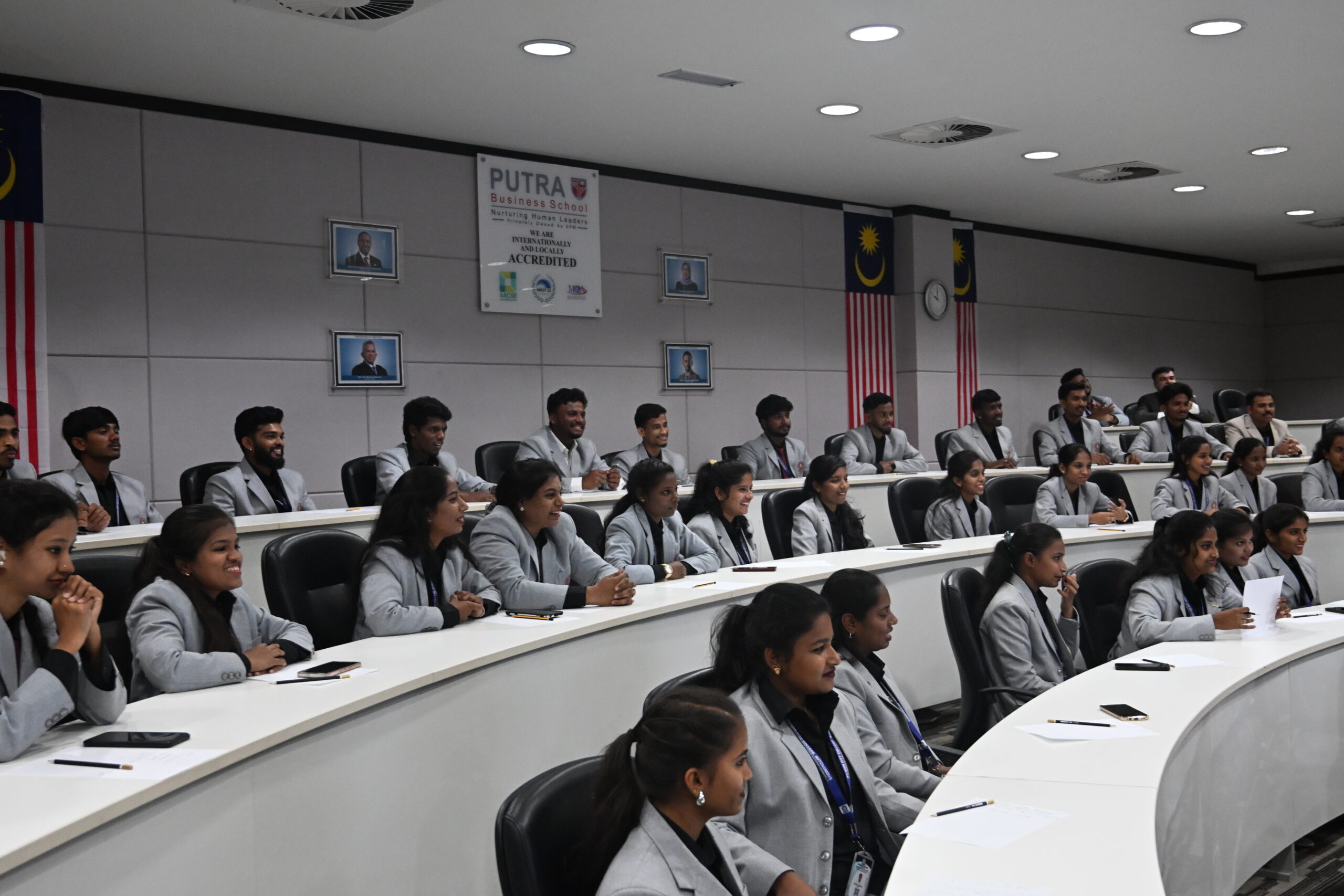
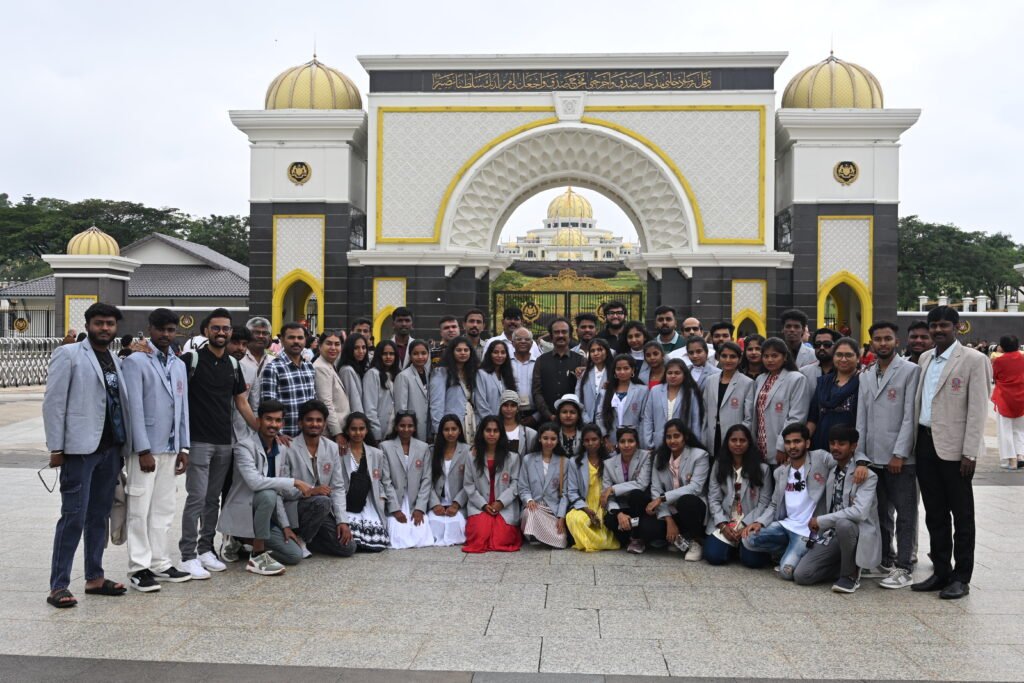
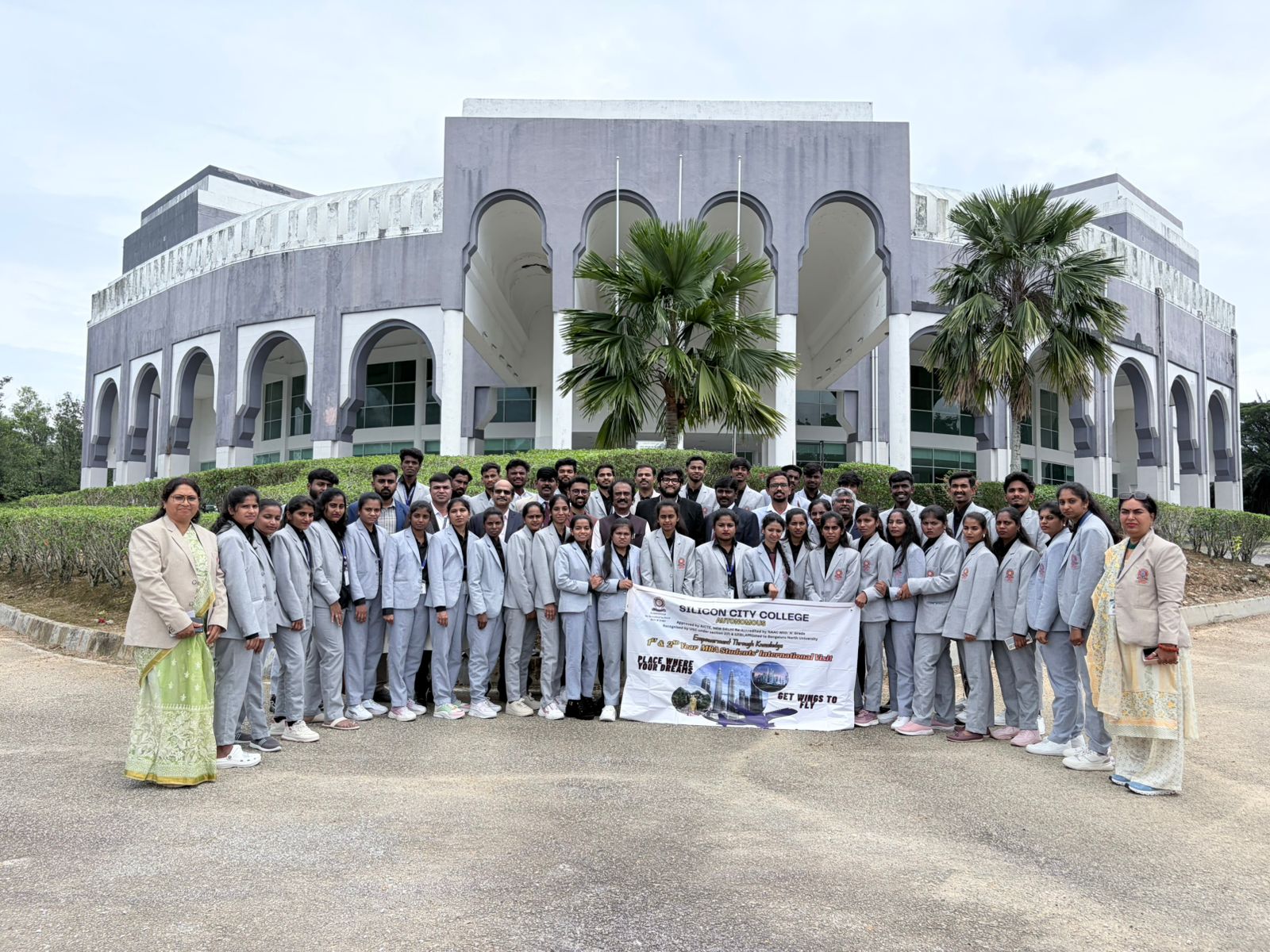
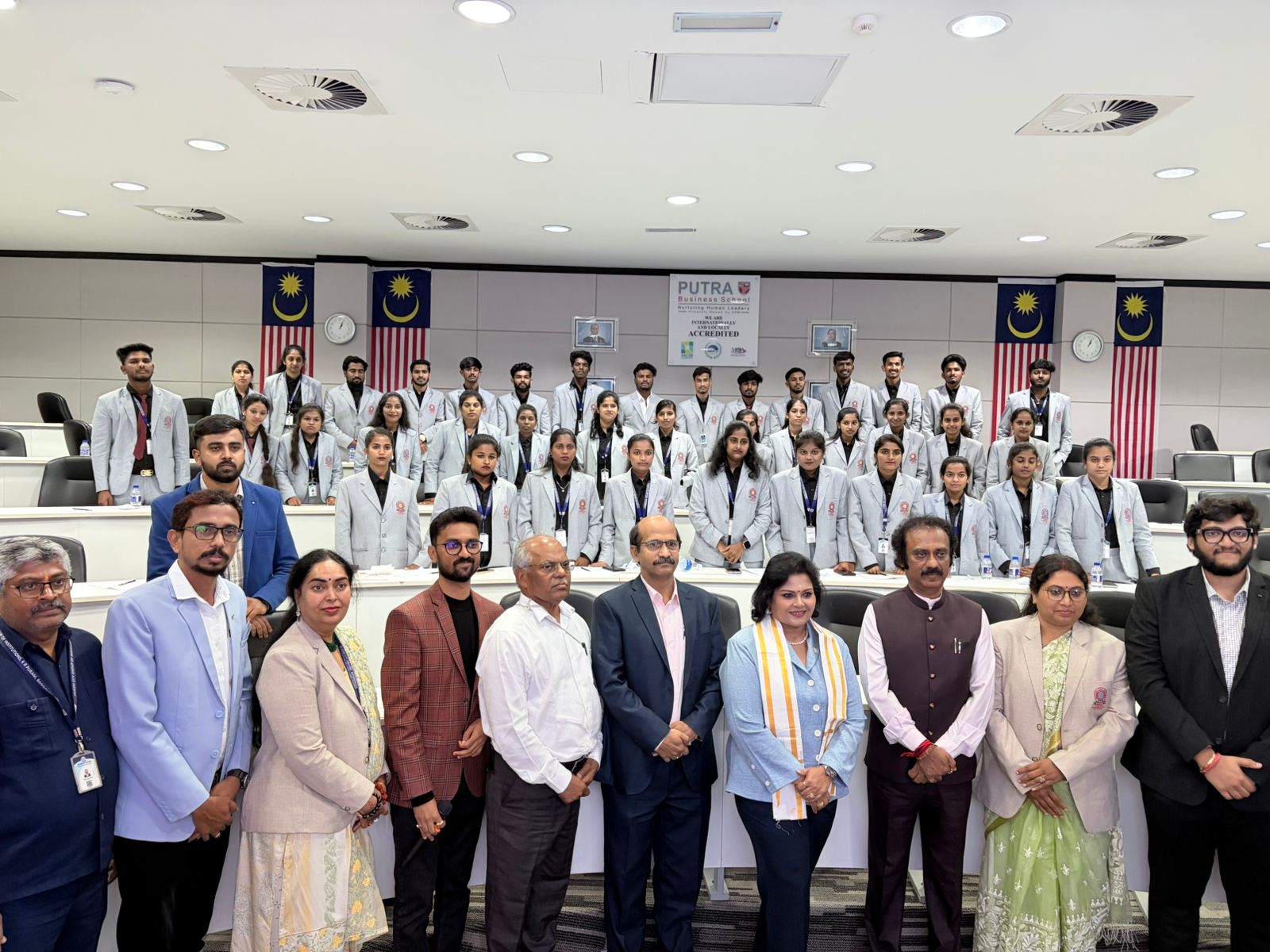
Silicon City College's MBA program highlights a global exposure trip and an Inter University Student Exchange Program with Universiti Putra, Malaysia.
International exposure can help students think beyond a single market and understand how business practices can differ across countries.
Why Global Exposure Matters
Global business practices
Cross-cultural communication
International markets
Different consumer behaviours
Global supply chains
International management
Business opportunities across borders
This does not mean every MBA student needs an international career. Instead, global exposure can help students develop a broader understanding of how modern organisations operate.
How to Evaluate Industry-Oriented MBA Colleges
Here is a simple checklist.
1. Curriculum Relevance
Look for subjects related to:.
Analytics.
Digital business.
AI.
Strategy.
Leadership.
Entrepreneurship.
Industry-specific management.
2. Practical Learning
Case studies
Projects
Internships
Workshops
Industry visits
Corporate interactions
Silicon City College states that its academic model includes projects, workshops, industry interactions and experiential learning opportunities.
3. Specialization Options
A broader selection can give students more flexibility when planning their academic pathway.
4. Industry Interaction
5. Career Development
Look for:
Career guidance
Skill development
Placement preparation
Mentoring
Professional communication
Interview preparation
Silicon City College states that its student support ecosystem includes academic mentoring, career guidance, placement assistance and skill-development initiatives.
6. Learning Infrastructure
Silicon City College describes its academic infrastructure as including smart classrooms, computer laboratories, library resources and technology-enabled learning facilities.
A Practical Checklist for MBA Aspirants
| Factor | Questions to Ask |
|---|---|
|
Curriculum |
Is the program aligned with current business requirements?
|
|
Specializations |
Can I choose an area relevant to my career goals?
|
|
Practical Learning
|
Are there projects and case-based activities?
|
|
Internships |
Does the program provide internship opportunities?
|
|
Industry Exposure
|
Are there visits, workshops and expert interactions?
|
|
Technology
|
Does the program include analytics or emerging technologies?
|
|
Leadership |
Are students encouraged to participate in teams and activities?
|
|
Career Support
|
Is career guidance available throughout the program?
|
|
Global Exposure
|
Are there international learning opportunities?
|
|
Infrastructure |
Are classrooms, labs and learning resources adequate?
|
Why the Learning Model Matters More Than the MBA Label
The degree title alone does not tell you whether students will receive meaningful practical exposure.
A more useful question is:
“What will I actually do during the two years of my MBA?”
Will you analyse business cases?
Will you work on projects?
Will you interact with professionals?
Will you complete internships?
Will you develop analytical skills?
Will you present ideas?
Will you work in teams?
Will you understand emerging technologies?
These questions can provide a much clearer picture of an MBA program than the course title alone.
Silicon City College positions its MBA around case-study-driven learning, real-time business exposure, hands-on learning, internships, industry visits, industry experts and dual specialization.
That combination reflects an approach where students are expected to connect academic concepts with practical business situations.
What Makes an Industry-Oriented MBA Valuable?
A student may know the definition of market segmentation. Practical learning asks the student to use segmentation to understand an actual customer group.
A student may understand financial ratios. Practical learning asks the student to interpret financial information and draw business conclusions.
A student may study leadership theories. Practical learning gives the student opportunities to lead a team, manage a project and communicate a decision.
That transition is what makes practical exposure valuable.
For students comparing Top MBA Colleges in Bangalore, the ideal choice is therefore not simply an institution with a long list of subjects. It is a learning environment where academic knowledge, industry exposure, technology, leadership and career development work together.
Career Opportunities After an Industry-Oriented MBA
An MBA can lead to opportunities across marketing, finance, human resources, analytics, operations, consulting, healthcare management, supply chain and entrepreneurship. However, the exact career outcome depends on factors such as specialization, skills, internships, academic performance, communication ability and professional experience.
Silicon City College describes its MBA as an industry-aligned program that combines case-study-driven learning, real-time business exposure and hands-on learning. The program also includes internships, industry visits, placement-focused training and industry expert interaction.
Career Paths by MBA Specialization
| MBA Specialization | Potential Career Areas |
|---|---|
|
Marketing
|
Brand management, digital marketing, sales, market research
|
|
Finance |
Financial analysis, banking, corporate finance, investment services
|
|
Human Resource Management
|
Talent acquisition, HR operations, employee engagement
|
|
Business Analytics
|
Business analysis, data-driven decision-making, consulting
|
|
AI in Business
|
AI-enabled business strategy, automation, digital transformation
|
|
Logistics & Supply Chain
|
Procurement, operations, logistics, supply chain management
|
|
Healthcare Management
|
Hospital administration, healthcare operations, service management
|
Skills Employers May Value in MBA Graduates
When comparing Best Management Colleges in Bangalore, students should therefore consider whether the learning environment encourages the development of practical competencies.
Business Communication
Clear communication can help professionals:
Present business ideas
Explain analytical findings
Prepare reports
Participate in meetings
Negotiate with stakeholders
Deliver presentations
Analytical Thinking
Analytical thinking can help students identify patterns, compare alternatives and make decisions based on evidence rather than assumptions.
Problem Solving
Industry-oriented assignments and case studies can expose students to situations where they need to identify the problem, examine information and recommend a practical solution.
Leadership
Students can begin developing leadership through team projects, presentations, student activities, events and collaborative assignments.
Silicon City College highlights teamwork, leadership, communication and professional development through student activities, workshops, expert sessions and industry interactions.
Adaptability
An MBA student who develops a habit of continuous learning can be better prepared to adapt to these changes.
Why Practical Experience Matters for MBA Career Readiness
One has only studied the concepts in textbooks.
The other has also worked on a marketing project, analysed a campaign, presented findings and completed an internship.
Both may understand the theory. However, the second student has had opportunities to practise applying it.
That is the central idea behind industry-oriented education.
Practical learning can help students develop a sequence such as:
Learn → Apply → Analyse → Present → Improve
This cycle can make academic concepts easier to connect with professional situations.
Silicon City College states that its broader academic approach includes projects, workshops, industry interactions and experiential learning opportunities.
Return on Investment: Look Beyond the Salary Package
However, ROI should not be judged only by the highest advertised salary figure.
A more complete evaluation can include:
Tuition fees
Living and commuting costs
Program duration
Internship opportunities
Industry exposure
Skill development
Career support
Specialization options
Alumni outcomes
Long-term career opportunities
Students should also distinguish between institutional claims, average outcomes and individual success stories.
No college can guarantee a particular career outcome for every student.
Questions to Ask Before Admission
What practical exposure will I receive?
Are internships part of the learning experience?
How often do students interact with industry professionals?
What specializations are available?
Does the curriculum address analytics and emerging technologies?
What career-development support is provided?
What are the eligibility and admission requirements?
These questions can help students make a more informed decision rather than selecting an institution based only on advertising or rankings.
Why Students May Consider Silicon City College for an Industry-Oriented MBA
Silicon City College positions its MBA around several elements relevant to industry-oriented learning.
Its official MBA program page states that the program is AICTE-approved, two years in duration and affiliated with Bengaluru North University. It also highlights case-study-driven learning, real-time business exposure, hands-on learning, internships, industry visits, placement-focused training and industry experts.
The institution also offers dual specialization, with students choosing any two areas from:
Data Science & Artificial Intelligence in Business
Business Analytics
Marketing
Finance
Human Resource Management
Logistics & Supply Chain Management
Healthcare Management
This combination gives students the opportunity to build knowledge across two management areas rather than restricting their academic focus to one specialization.
Industry-Focused Academic Environment
The college highlights industry-oriented curriculum, practical learning, collaborative learning, career development and experiential opportunities across its academic ecosystem.
Its student-life initiatives also include career guidance, placement activities, guest lectures, skill-development workshops and industry interactions.
For students researching a Good MBA College in Bangalore, these factors can be useful when evaluating the overall learning environment.
A Final Checklist for Choosing Among MBA Colleges Bangalore
• Check eligibility requirements
• Review available specializations
• Understand the curriculum
• Check the institution's current
• recognition and approvals
• Review the duration and academic format
• Live projects
• Case-study learning
• Industry visits
• Guest lectures
• Workshops
• Corporate interaction
• Industry expert sessions
• Placement preparation
• Communication training
• Interview preparation
• Leadership activities
• Professional skill development
• Artificial Intelligence awareness<br. • Digital business concepts
• Data-driven decision-making
• Entrepreneurship opportunities
• Global exposure
Why Students May Consider Silicon City College for an Industry-Oriented MBA
Its official MBA program page states that the program is AICTE-approved, two years in duration and affiliated with Bengaluru North University. It also highlights case-study-driven learning, real-time business exposure, hands-on learning, internships, industry visits, placement-focused training and industry experts.
The institution also offers dual specialization, with students choosing any two areas from:
Data Science & Artificial Intelligence in Business
Business Analytics
Marketing
Finance
Human Resource Management
Logistics & Supply Chain Management
Healthcare Management
This combination gives students the opportunity to build knowledge across two management areas rather than restricting their academic focus to one specialization.
Industry-Focused Academic Environment
The college highlights industry-oriented curriculum, practical learning, collaborative learning, career development and experiential opportunities across its academic ecosystem.
Its student-life initiatives also include career guidance, placement activities, guest lectures, skill-development workshops and industry interactions.
For students researching a Good MBA College in Bangalore, these factors can be useful when evaluating the overall learning environment.
Frequently Asked Questions About Industry-Oriented MBA Programs
What is industry-oriented learning in an MBA?
Why should I consider MBA Colleges Bangalore with industry exposure?
Do industry-oriented MBA programs include internships?
Silicon City College states that its MBA includes real-world exposure through internships and industry visits.
Is Business Analytics useful for MBA students?
Silicon City College offers Business Analytics as one of its MBA specialization options.
Can an MBA include Artificial Intelligence?
Silicon City College lists Data Science & Artificial Intelligence in Business as one of its MBA specialization choices.
What should I look for in an MBA Institute in Bangalore?
What is industry-oriented learning in an MBA?
Why should I consider MBA Colleges Bangalore with industry exposure?
Do industry-oriented MBA programs include internships?
Silicon City College states that its MBA includes real-world exposure through internships and industry visits.
Is Business Analytics useful for MBA students?
Silicon City College offers Business Analytics as one of its MBA specialization options.
Can an MBA include Artificial Intelligence?
Silicon City College lists Data Science & Artificial Intelligence in Business as one of its MBA specialization choices.
What should I look for in an MBA Institute in Bangalore?
Does an industry-oriented MBA guarantee a job?
Start by defining your career goals. Then compare institutions based on curriculum, specializations, practical exposure, internships, industry interaction, career support, fees, recognition and learning environment.
Conclusion: Choosing an MBA That Connects Learning With the Real World
For students comparing MBA Colleges Bangalore, industry-oriented learning can be an important factor because it connects classroom concepts with practical experiences such as internships, projects, case studies, workshops and professional interaction.
The strongest decision is rarely based on one feature alone. Instead, students should evaluate the complete ecosystem: curriculum, specialization options, practical learning, technology exposure, leadership development, career support and opportunities to interact with industry.
Silicon City College's MBA combines case-study-driven learning, real-time business exposure, hands-on learning, internships, industry visits, industry expert interaction and dual specialization. The program also offers specialization options covering Business Analytics, AI in Business, Marketing, Finance, HR, Logistics & Supply Chain and Healthcare Management.
If your goal is to build a management career in a rapidly changing business environment, look for an MBA that encourages you to learn concepts, apply them, analyse problems and make informed decisions.
That is where industry-oriented education can make a meaningful difference.
Explore the MBA program, review the specialization options and understand the admission requirements before making your decision.
If you're ready to take the next step toward a successful management career, explore the MBA program at Silicon City College.
Learn about the curriculum, specializations, faculty, campus facilities, internships, and admission process to determine whether it's the right fit for your aspirations.
Related Insights & Perspectives
- September 22, 2026
- Silicon City College
BBA Full Form, Course Subjects, Eligibility & Career Scope (2026)
- August 17, 2026
- Silicon City College
Top MBA Colleges in Bangalore for Future Business Leaders
- July 13, 2026
- Silicon City College
One Response