Skills Every MBA Student Should Develop Before Graduation
Skills Every MBA Student Should Develop Before Graduation
As industries continue to evolve through artificial intelligence, automation, digital transformation, and globalization, the expectations placed on management graduates are higher than ever. Companies seek individuals who can adapt quickly, collaborate across teams, and make informed decisions that contribute to business growth. This makes skill development just as important as academic performance.
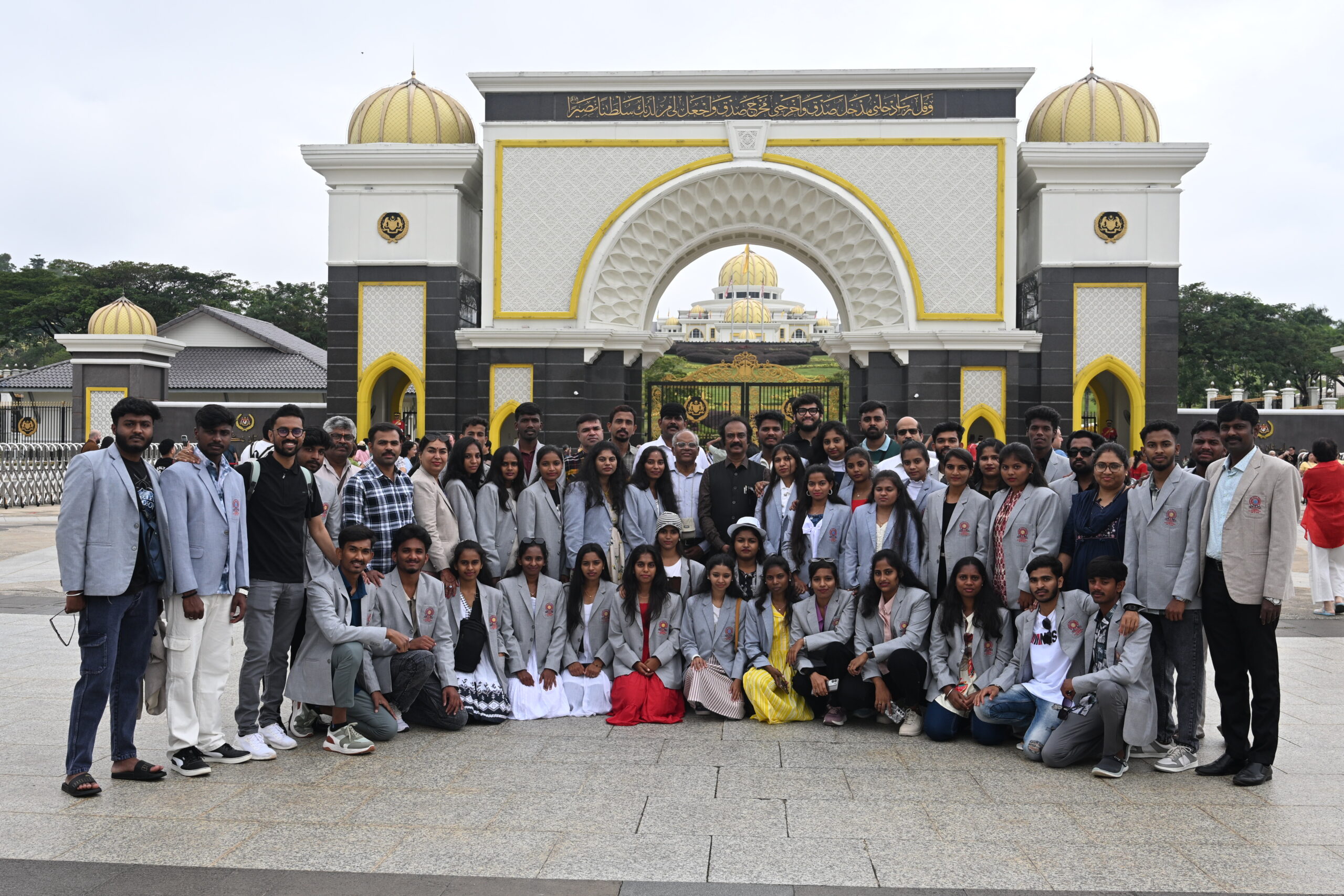
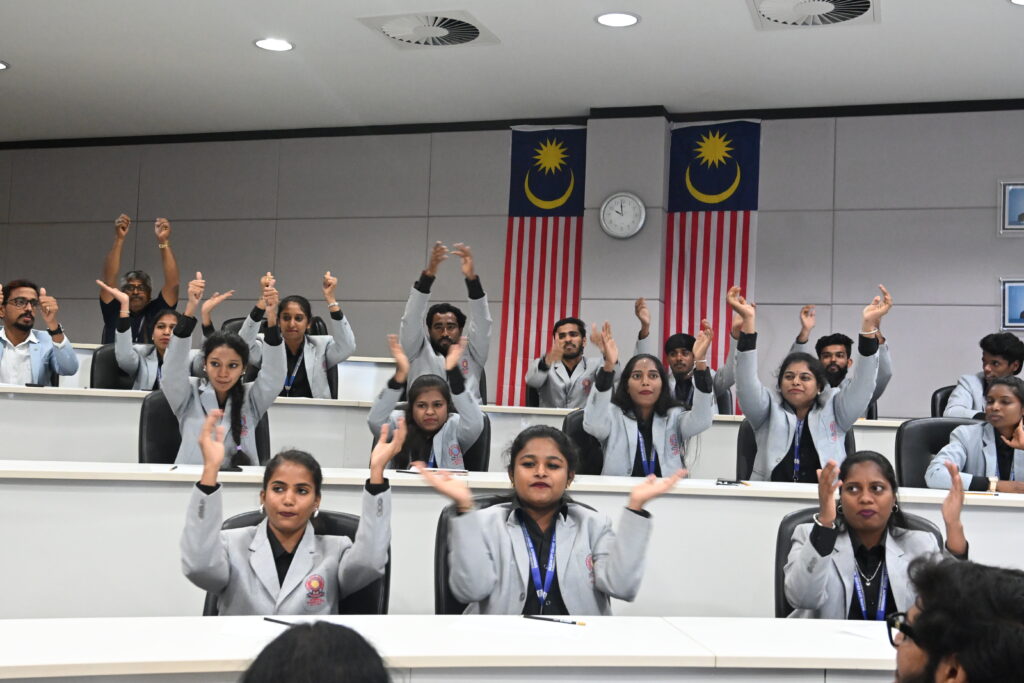
Students studying at the best MBA colleges in Bangalore often gain an advantage because their learning extends beyond classrooms. Through internships, industry interactions, live projects, seminars, workshops, and leadership opportunities, they develop practical competencies that prepare them for real-world business environments.
Whether your goal is to become a business leader, entrepreneur, consultant, marketing professional, financial analyst, or HR manager, building the right skills before graduation can significantly improve your employability and long-term career success.
In this article, we’ll explore the most important skills every MBA student should develop before graduating and understand how these competencies can help create a strong foundation for a rewarding management career.
Why Skills Matter More Than Degrees in 2026
Organizations are no longer hiring candidates simply because they hold an MBA. Instead, they seek graduates who can contribute from day one by managing projects, leading teams, interpreting business data, and solving organizational challenges.
The business world has changed dramatically over the past decade. While academic qualifications remain important, employers now place equal—or even greater—importance on practical skills.
Organizations are no longer hiring candidates simply because they hold an MBA. Instead, they seek graduates who can contribute from day one by managing projects, leading teams, interpreting business data, and solving organizational challenges.
Recruiters often evaluate candidates based on their ability to:
Think critically
Communicate confidently
Work collaboratively
Lead diverse teams
Solve real-world business problems
Adapt to changing technologies
Build strong professional relationships
Graduates from the top MBA colleges in Bangalore often stand out because they gain exposure to practical learning experiences that complement classroom education.
Developing these competencies before graduation increases confidence during placements and prepares students for long-term professional success.
Employers Value Skills That Create Business Impact
Employers appreciate professionals who can:
Improve operational efficiency
Increase customer satisfaction
Analyze market trends
Lead business transformation
Manage cross-functional teams
Support strategic decision-making
An MBA provides the foundation, but these practical skills determine how effectively graduates perform in the workplace.
1. Leadership Skills
Leadership isn't limited to managing large teams or holding senior positions. It begins with taking responsibility, inspiring others, making ethical decisions, and motivating people toward shared goals.
Students should actively seek opportunities to develop leadership by participating in:
Student clubs
Business competitions
Group projects
Event management
Entrepreneurship cells
Community initiatives
These experiences help students build confidence while learning how to make decisions under pressure.
Graduates from the best management colleges in Bangalore often benefit from leadership workshops, management fests, and industry interactions that strengthen these capabilities.
Why Leadership Matters
Build trust within teams
Resolve conflicts effectively
Delegate responsibilities
Encourage innovation
Improve organizational performance
Make strategic business decisions
Leadership is a skill that continues to grow throughout a career, making it one of the most valuable competencies students can develop before graduation.
2. Communication Skills
Communication is one of the most important skills every MBA student should master because managers interact with employees, clients, investors, customers, and senior leadership on a daily basis.
Effective communication includes:
Public speaking
Business writing
Email etiquette
Presentation skills
Negotiation
Active listening
Professional conversations
Persuasive communication
Students studying at an MBA institute in Bangalore often participate in seminars, presentations, case studies, and group discussions that strengthen these abilities.
Communication Builds Professional Confidence
Perform well during interviews
Lead meetings confidently
Present business ideas effectively
Build stronger client relationships
Collaborate successfully across departments
Clear communication not only improves workplace performance but also creates lasting professional credibility.
3. Analytical & Business Analytics Skills
Analytical thinking involves evaluating information, identifying patterns, assessing risks, and recommending solutions based on evidence rather than assumptions.
MBA students should become familiar with:
Data interpretation
Business Analytics
Excel and reporting tools
Market research
Financial analysis
KPI tracking
Business intelligence concepts
Performance measurement
Developing analytical capabilities allows graduates to contribute more effectively across industries, including finance, marketing, operations, consulting, and technology.
Students from good MBA colleges in Bangalore often gain practical exposure through live projects, case studies, simulations, and industry assignments that strengthen these analytical skills.
Why Business Analytics Is Essential
Managers who understand analytics can:
Identify market opportunities
Improve customer experiences
Optimize business operations
Forecast future trends
Support strategic planning
Reduce business risks
Business Analytics is no longer a specialized skill—it's becoming a core competency for modern management professionals.
4. Problem-Solving Skills
This is why problem-solving has become one of the most valuable skills for MBA graduates.
Students should develop the ability to:
Analyze complex business situations
Identify the root cause of problems
Evaluate multiple solutions
Make data-driven decisions
Manage business risks
Think strategically under pressure
Many of the best MBA colleges in Bangalore encourage students to strengthen these abilities through business simulations, case studies, management games, and real-world projects.
Problem Solving Creates Better Managers
Whether it's launching a product, handling customer complaints, improving productivity, or reducing operational costs, strong problem-solving skills enable professionals to make informed and confident decisions.
Students who actively participate in:
Case study competitions
Live consulting projects
Business quizzes
Entrepreneurship challenges
Internship assignments
Often graduate with greater confidence and workplace readiness.
5. Emotional Intelligence (EQ)
Emotional Intelligence (EQ) refers to the ability to understand, manage, and respond appropriately to emotions—both your own and those of others.
Modern managers work with diverse teams, clients, stakeholders, and business partners. Strong interpersonal skills help professionals navigate workplace challenges effectively.
Key components of emotional intelligence include:
Self-awareness
Self-control
Empathy
Active listening
Relationship management
Conflict resolution
Adaptability
Positive influence
Students studying at an MBA institute in Bangalore benefit from group discussions, leadership activities, presentations, and collaborative projects that naturally improve emotional intelligence.
Why Employers Value Emotional Intelligence
Managers with strong EQ can:
Motivate teams
Handle workplace conflicts
Build trust
Improve employee engagement
Strengthen client relationships
Lead organizational change effectively
These qualities often distinguish exceptional leaders from average managers.
6. Teamwork & Collaboration
MBA students should become comfortable working with people from different backgrounds, personalities, and perspectives.
Teamwork helps students develop:
Collaboration
Accountability
Leadership
Communication
Conflict management
Time management
Respect for diverse viewpoints
Students from the top MBA colleges in Bangalore often participate in multidisciplinary projects that simulate real corporate environments.
Collaboration Improves Innovation
Working effectively in teams enables students to:
Share ideas confidently
Learn from peers
Develop leadership abilities
Solve complex business problems faster
Build professional relationships
Strong collaboration skills also prepare students for managerial responsibilities where teamwork plays a central role.
7. Networking Skills
Networking isn't about collecting business cards—it's about building meaningful relationships that support learning, collaboration, mentorship, and career growth.
MBA students should actively connect with:
Faculty members
Alumni
Industry experts
Guest speakers
Recruiters
Entrepreneurs
Fellow students
Over time, these relationships can open doors to internships, job opportunities, mentorship, and business partnerships.
Students from good MBA colleges in Bangalore often gain networking opportunities through seminars, conferences, placement drives, alumni events, and corporate interactions.
Building a Strong Professional Brand
Students should focus on:
Maintaining a professional LinkedIn profile
Participating in industry events
Attending webinars
Publishing thoughtful content
Joining professional associations
Staying connected with mentors and alumni
Professional relationships built during an MBA often continue to create value throughout a person's career.
Skills vs Career Benefits
| Skills | Career Benefit |
|---|---|
|
Leadership |
Prepares students for managerial and leadership roles |
|
Communication |
Improves presentations, interviews, and client interactions |
|
Business Analytics |
Enables data-driven business decisions |
|
Problem Solving |
Helps manage complex business challenges |
|
Emotional Intelligence |
Strengthens leadership and team management |
|
Teamwork |
Improves collaboration across departments |
|
Networking |
Creates internship and career opportunities |
|
Critical Thinking |
Supports better strategic decisions |
|
Digital Skills |
Increases employability in modern organizations |
|
Adaptability |
Helps professionals succeed in changing business environments |
Why Employers Prefer Skill-Oriented MBA Graduates
During interviews, employers often assess:
Leadership potential
Communication confidence
Problem-solving ability
Business awareness
Team collaboration
Adaptability
Analytical thinking
Professional attitude
This is why students should treat every classroom presentation, internship, group assignment, workshop, and industry interaction as an opportunity to build practical skills.
Graduates who combine academic excellence with strong professional competencies are more likely to succeed in competitive recruitment processes and build long-term careers.
8. Digital & AI Literacy
Digital literacy doesn't mean every MBA graduate needs to become a programmer. Instead, it means being comfortable using digital tools, interpreting business data, and making technology-driven decisions.
Students should become familiar with:
Business Analytics tools
Microsoft Excel (Advanced)
Power BI or Tableau
CRM platforms
Digital Marketing fundamentals
AI-powered productivity tools
ERP systems
Project management software
Data visualization
Cloud-based collaboration platforms
Many of the best MBA colleges in Bangalore integrate digital technologies into their curriculum to prepare students for modern workplaces where technology plays a central role.
AI is Transforming Management Roles
Today's business leaders use AI to:
Analyze customer behavior
Forecast sales
Improve supply chain operations
Personalize marketing campaigns
Automate repetitive processes
Enhance financial planning
Improve operational efficiency
MBA students who understand how to work alongside AI tools will have a competitive advantage in the years ahead.
9. Time Management & Productivity
An MBA student often balances:
Classroom learning
Assignments
Internships
Presentations
Group projects
Skill development
Networking events
Placement preparation
Without effective time management, productivity and performance can suffer.
Students should develop habits such as:
Prioritizing important tasks
Setting realistic goals
Meeting deadlines consistently
Planning weekly schedules
Avoiding procrastination
Managing distractions
Maintaining work-life balance
These habits become even more valuable after graduation when professionals handle multiple projects simultaneously.
Productive Managers Create Better Teams
Lead teams
Meet business deadlines
Reduce workplace stress
Improve project delivery
Increase operational efficiency
Time management is one of the simplest yet most impactful skills students can cultivate before entering the corporate world.
10. Adaptability & Continuous Learning
New technologies, changing customer expectations, economic shifts, and evolving business models require professionals who are willing to learn continuously.
Adaptability involves:
Accepting change positively
Learning new technologies
Updating professional skills
Responding quickly to market trends
Remaining flexible during uncertainty
Embracing innovation
Students studying at the MBA colleges in Bangalore should view graduation as the beginning of lifelong learning rather than the end of their education.
Why Adaptability Matters
Professionals who continuously upgrade their skills remain valuable regardless of industry changes.
Adaptability also helps graduates:
Switch industries
Transition into leadership roles
Embrace emerging technologies
Build long-term career resilience
Organizations consistently value employees who remain curious, proactive, and open to learning.
How Silicon City College Helps Students Develop These Skills
Silicon City College focuses on creating opportunities that encourage students to build leadership qualities, communication skills, analytical thinking, and industry readiness throughout their academic journey.
Students benefit from:
Industry-oriented curriculum
Experienced faculty guidance
Interactive classroom learning
Case study discussions
Business presentations
Industrial visits
Guest lectures by industry experts
Workshops and seminars
Internship opportunities
Management fests
Entrepreneurship initiatives
Leadership activities
Personality development programs
Career guidance and placement support
These experiences help bridge the gap between classroom education and workplace expectations.
Students looking for the best institute for MBA in Bangalore often evaluate institutions based on how effectively they prepare graduates for long-term career success rather than simply awarding a degree.
Learning Through Practical Exposure
Practical experiences help students:
Apply theoretical concepts
Improve decision-making abilities
Build confidence
Strengthen communication
Develop teamwork
Understand corporate culture
Solve real business challenges
Learning through internships, live projects, workshops, and corporate interactions enables students to graduate with greater confidence and workplace readiness.
Career Opportunities for Skilled MBA Graduates
Some popular career paths include:
| Skill Developed | Career Opportunities |
|---|---|
|
Leadership |
Business Manager, Team Leader, Operations Manager |
|
Communication |
Sales Manager, Client Relationship Manager, Corporate Trainer |
|
Business Analytics |
Business Analyst, Data Analyst, Strategy Consultant |
|
Financial Skills |
Financial Analyst, Investment Advisor, Banking Professional |
|
Teamwork |
Project Manager, Operations Executive |
|
Digital Skills |
Product Manager, Digital Marketing Manager |
|
Networking |
Business Development Manager, Entrepreneur |
|
Emotional Intelligence |
HR Manager, Organizational Development Specialist |
Professional success depends not only on knowledge but also on the ability to communicate, collaborate, innovate, and lead with confidence.
Frequently Asked Questions (FAQs)
What are the most important skills every MBA student should develop before graduation?
Why are soft skills important for MBA students?
Does communication skill affect MBA placements?
How can MBA students improve leadership skills?
Leading academic projects
Participating in student clubs
Organizing college events
Volunteering for responsibilities
Taking part in management competitions
Completing internships
Seeking mentorship from faculty and industry professionals
Is Business Analytics an important skill for MBA students?
How does networking help MBA students?
Why should students choose the right MBA college?
How does Silicon City College prepare MBA students for successful careers?
Conclusion
While academic excellence provides a strong foundation, practical exposure, continuous learning, and real-world experiences ultimately shape successful business leaders. Students who actively participate in internships, workshops, industry interactions, business competitions, and collaborative projects graduate with greater confidence and stronger employability.
For those searching for the best MBA colleges in Bangalore, selecting an institution that focuses on both academic excellence and holistic skill development is one of the most important decisions they can make. A college that nurtures leadership, innovation, industry readiness, and professional growth prepares students not just for their first job, but for a successful and fulfilling career in management.
Explore the MBA program at Silicon City College to discover how industry-oriented learning, experienced faculty, internships, leadership opportunities, and practical business exposure can help you prepare for a successful management career.
Take the next step toward becoming a confident business professional with an MBA education designed for the future.
Related Insights & Perspectives
M.Com Scope, Syllabus & Corporate Finance Careers in Bangalore
BLOG M.Com Scope, Syllabus & Corporate Finance Careers in Bangalore Postgraduate Commerce Roadmap: M.Com Scope, Syllabus & Corporate Finance Careers in Bangalore (2026) Bangalore...
Read MoreM.Sc Computer Science Scope, Syllabus & Tech Careers Bangalore
BLOG M.Sc Computer Science Scope, Syllabus & Tech Careers Bangalore Postgraduate Computer Science Guide: M.Sc CS Scope, Syllabus & Tech Careers in Bangalore (2026)...
Read MorePU Commerce Combinations (CEBA, SEBA, HEBA) Guide Bangalore
Blog PU Commerce Combinations (CEBA, SEBA, HEBA) Guide Bangalore Exploring PU Commerce Combinations: The Ultimate Guide for 10th Graduates in Bangalore (2026) Over the...
Read MorePU Science Combinations After 10th: PCMB vs PCMC vs PCME Guide (2026)
BLOG PU Science Combinations After 10th: PCMB vs PCMC vs PCME Guide (2026) Ultimate Guide to Choosing the Right PU Science Combination After 10th...
Read More